What is new in PHP8.3?
Explore PHP's evolution with version 8.3! From efficient JSON validation to streamlined error handling and dynamic class constant connections, experience enhanced coding in this latest release

Revolutionizing JSON Validation with json_validate
Embarking on a journey through the extensive history of PHP, a language I've navigated for quite some time, crafting and revising thousands of lines of code. PHP, a stalwart language, is now set to unveil its latest iteration, version 8.3, slated for an official release by month-end. In this discourse, we delve into the pivotal modifications characterizing this upcoming release.
Revolutionizing JSON Validation with json_validate
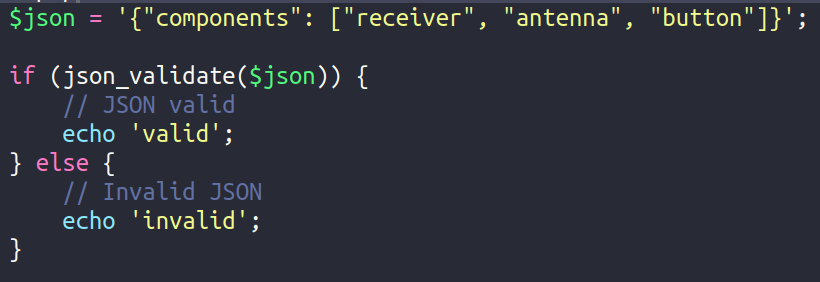
The perennial question – is it JSON or not? Traditionally, one would resort to parsing the entirety using json_decode, awaiting confirmation of validity. Yet, the latest version introduces a game-changer: the json_validate function. This innovation promises the same accuracy but with significantly reduced resource consumption.
Streamlining Error Management in unserialize

The notorious unserialize() function, renowned for its erratic error generation from E_NOTICE to E_WARNING, is undergoing a paradigm shift in version 8.3. Expect consistent throws every time, eliminating the need to handle the nuances of E_NOTICE.
Unveiling the #[Override] Attribute
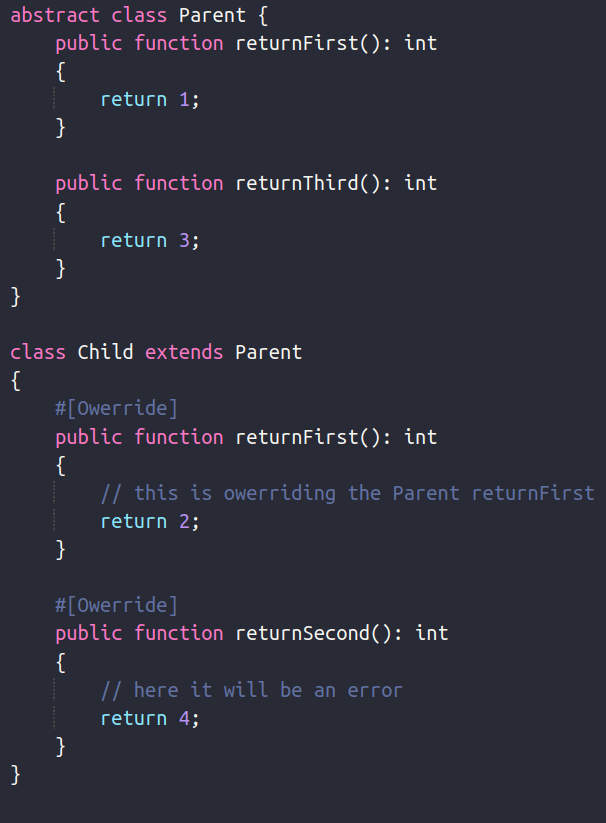
A valuable addition surfaces – the #[Override] attribute. Its primary utility lies in detecting methods that potentially override a counterpart in the parent class. Notably, it now triggers an error if the method in the parent class undergoes a name change, rendering the #Override-labeled method non-overriding.
Dynamic Connections to Class Constants
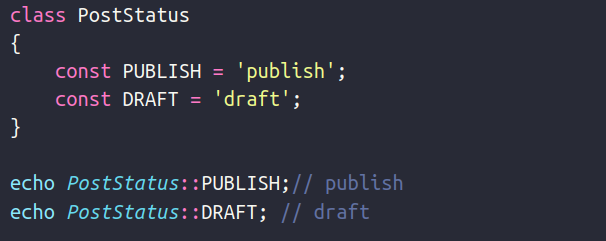
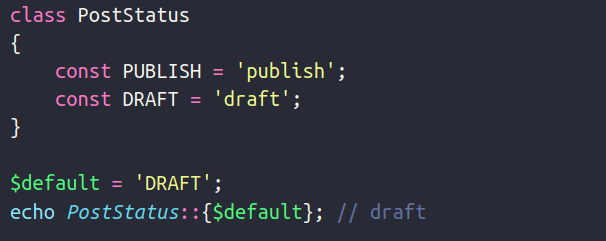
Prior to version 8.3, the loading of class constants remained a static or Reflection1-driven affair. With the advent of 8.3, a dynamic approach emerges, allowing the loading of these constants with variable interpolation.
Evolving Read-only Property Handling in the __clone() Process
In a prior release, PHP embraced the concept of declaring read-only properties during class instantiation. However, when it came to cloning, these properties faced constraints, limited to superficial duplication.
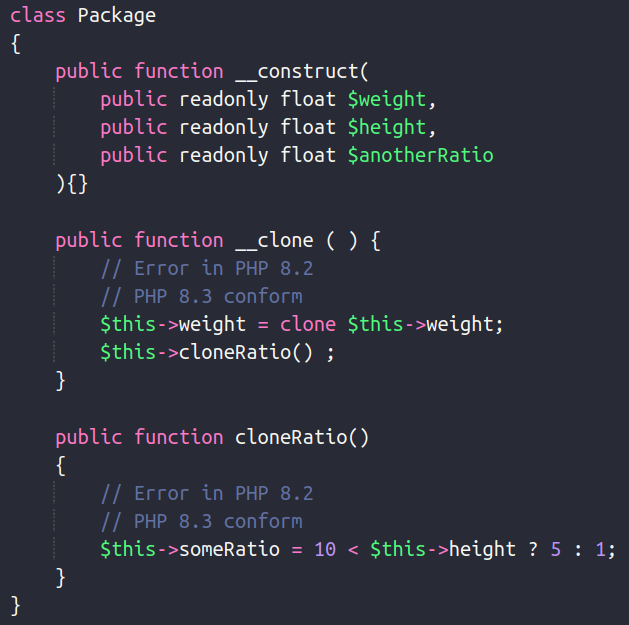
Version 8.3 dismantles these restrictions, enabling effective cloning of read-only properties within the context of the __clone() method. Beyond these pivotal updates, the PHP landscape undergoes additional shifts – the introduction of specific errors during DateInterval object initialization, such as DateMalformedIntervalStringException, enhancements to the mb_str_pad function, and notable performance boosts for array_sum() and array_product().
PHP 8.3 was released on November 23, 2023. It will be tested through three alpha releases, three beta, and six release candidates.
For a comprehensive overview of all the alterations, refer to php.net